<?xml version="1.0" encoding="utf-8"?>
<feed xmlns="http://www.w3.org/2005/Atom">
  <title type="text">Binary Reverse Engineering Blog</title>
  <subtitle type="text">Reverse Engineering Malware and Crackmes</subtitle>
  <updated>2024-12-27T00:00:00Z</updated>
  <id>urn:uuid:b1054148-02c9-4c8a-8ad4-2ee2e765c0ae</id>
  <author>
    <name>Johannes Bader</name>
    <uri>https://bin.re</uri>
    <email>hello@bin.re</email>
  </author>
  <link rel="self" type="application/atom+xml" href="https://bin.re/feed.xml" />
  <link rel="alternate" type="text/html" hreflang="en" href="https://bin.re"/>
  <rights>Copyright (c) 2024 Johannes Bader</rights>
  <logo>https://bin.re/assets/img/site/viql_logo.png</logo>
  <icon>https://bin.re/assets/img/site/viql_icon.png</icon>
  <generator uri="https://gohugo.io/" version="0.98.0">Hugo 0.98.0</generator>
  <entry>
    <title>The DGA of BumbleBee</title>
    <link type="text/html" rel="alternate" href="https://bin.re/blog/the-dga-of-bumblebee/" />
    <updated>2023-09-15T00:00:00Z</updated>
    <published>2023-09-15T00:00:00Z</published>
    <id>https://bin.re/2023/09/the-dga-of-bumblebee/</id>
    <category scheme="https://bin.re/category/" term="reverse-engineering" label="reverse engineering" />
    <category scheme="https://bin.re/tag/" term="dga" label="dga" />
    <category scheme="https://bin.re/tag/" term="malware-analysis" label="malware analysis" />
    <content type="html"><![CDATA[<p><a href="https://bin.re/blog/the-dga-of-bumblebee/"><img src="https://bin.re/assets/img/front/bumblebee-800.jpeg" class="webfeedsFeaturedVisual" alt="featured image" /></a></p>This very short post shows the Domain Generation Algorithm of BumbleBee, a loader for Cobalt Strike or other malware.]]></content>

    <summary type="html"><![CDATA[This very short post shows the Domain Generation Algorithm of BumbleBee, a loader for Cobalt Strike or other malware.]]></summary>
  </entry>
  <entry>
    <title>Sinkholing the Domain Generation Algorithm of m0yv</title>
    <link type="text/html" rel="alternate" href="https://bin.re/blog/sinkholing-the-domain-generation-algorithm-of-m0yv/" />
    <updated>2023-03-31T00:00:00Z</updated>
    <published>2023-03-31T00:00:00Z</published>
    <id>https://bin.re/2023/03/sinkholing-the-domain-generation-algorithm-of-m0yv/</id>
    <category scheme="https://bin.re/category/" term="reverse-engineering" label="reverse engineering" />
    <category scheme="https://bin.re/tag/" term="dga" label="dga" />
    <category scheme="https://bin.re/tag/" term="malware-analysis" label="malware analysis" />
    <content type="html"><![CDATA[<p><a href="https://bin.re/blog/sinkholing-the-domain-generation-algorithm-of-m0yv/"><img src="https://bin.re/assets/img/front/m0yv-800.jpeg" class="webfeedsFeaturedVisual" alt="featured image" /></a></p>Video that shows the DGA of the fileinfector m0yv and results of sinkholing domains for over a year.]]></content>

    <summary type="html"><![CDATA[Video that shows the DGA of the fileinfector m0yv and results of sinkholing domains for over a year.]]></summary>
  </entry>
  <entry>
    <title>The Domain Generation Algorithm of Orchard v3</title>
    <link type="text/html" rel="alternate" href="https://bin.re/blog/a-dga-seeded-by-the-bitcoin-genesis-block/" />
    <updated>2022-07-24T00:00:00Z</updated>
    <published>2022-07-24T00:00:00Z</published>
    <id>https://bin.re/2022/07/a-dga-seeded-by-the-bitcoin-genesis-block/</id>
    <category scheme="https://bin.re/category/" term="reverse-engineering" label="reverse engineering" />
    <category scheme="https://bin.re/tag/" term="dga" label="dga" />
    <category scheme="https://bin.re/tag/" term="malware-analysis" label="malware analysis" />
    <content type="html"><![CDATA[<p><a href="https://bin.re/blog/a-dga-seeded-by-the-bitcoin-genesis-block/"><img src="https://bin.re/assets/img/front/bitcoin-800.jpeg" class="webfeedsFeaturedVisual" alt="featured image" /></a></p>The Orchard malware uses a domain generation algorithm (DGA) that is seeded both by the current date, and also by the current balance of the Bitcoin genesis block.]]></content>

    <summary type="html"><![CDATA[The Orchard malware uses a domain generation algorithm (DGA) that is seeded both by the current date, and also by the current balance of the Bitcoin genesis block.]]></summary>
  </entry>
  <entry>
    <title>The Domain Generation Algorithms of SharkBot</title>
    <link type="text/html" rel="alternate" href="https://bin.re/blog/the-dgas-of-sharkbot/" />
    <updated>2022-06-04T00:00:00Z</updated>
    <published>2022-06-04T00:00:00Z</published>
    <id>https://bin.re/2022/06/the-dgas-of-sharkbot/</id>
    <category scheme="https://bin.re/category/" term="reverse-engineering" label="reverse engineering" />
    <category scheme="https://bin.re/tag/" term="dga" label="dga" />
    <category scheme="https://bin.re/tag/" term="malware-analysis" label="malware analysis" />
    <category scheme="https://bin.re/tag/" term="sharkbot" label="sharkbot" />
    <category scheme="https://bin.re/tag/" term="android" label="android" />
    <content type="html"><![CDATA[<p><a href="https://bin.re/blog/the-dgas-of-sharkbot/"><img src="https://bin.re/assets/img/front/shark-800.jpeg" class="webfeedsFeaturedVisual" alt="featured image" /></a></p>SharkBot uses a DGA for communication, which was changed several times during the development of SharkBot. This blogpost shows four versions of the DGA, and their differences.]]></content>
    <summary type="html"><![CDATA[SharkBot uses a DGA for communication, which was changed several times during the development of SharkBot. This blogpost shows four versions of the DGA, and their differences.]]></summary>
  </entry>
  <entry>
    <title>Full Control over HTTP Requests Headers in Python</title>
    <link type="text/html" rel="alternate" href="https://bin.re/blog/how-to-gain-control-over-http-headers-in-python/" />
    <updated>2022-05-11T00:00:00Z</updated>
    <published>2022-05-11T00:00:00Z</published>
    <id>https://bin.re/2022/05/how-to-gain-control-over-http-headers-in-python/</id>
    <category scheme="https://bin.re/category/" term="tutorial" label="tutorial" />
    <category scheme="https://bin.re/tag/" term="python" label="python" />
    <category scheme="https://bin.re/tag/" term="requests" label="requests" />
    <category scheme="https://bin.re/tag/" term="httpx" label="httpx" />
    <category scheme="https://bin.re/tag/" term="http-header" label="http-header" />
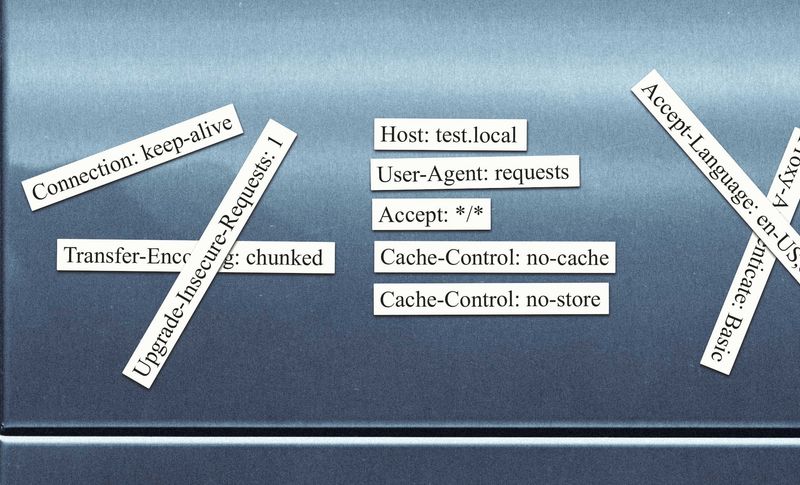
    <content type="html"><![CDATA[<p><a href="https://bin.re/blog/how-to-gain-control-over-http-headers-in-python/"><img src="https://bin.re/assets/img/front/headers-800.jpeg" class="webfeedsFeaturedVisual" alt="featured image" /></a></p>In this blog post I&rsquo;ll show how remove any header, set their order, define their capitalization and how to send duplicate headers.]]></content>

    <summary type="html"><![CDATA[In this blog post I&rsquo;ll show how remove any header, set their order, define their capitalization and how to send duplicate headers.]]></summary>
  </entry>
  <entry>
    <title>Analysing TA551/Shathak Malspam With Binary Refinery</title>
    <link type="text/html" rel="alternate" href="https://bin.re/blog/analysing-ta551-malspam-with-binary-refinery/" />
    <updated>2021-11-01T00:00:00Z</updated>
    <published>2021-11-01T00:00:00Z</published>
    <id>https://bin.re/2021/11/analysing-ta551-malspam-with-binary-refinery/</id>
    <category scheme="https://bin.re/category/" term="reverse-engineering" label="reverse engineering" />
    <category scheme="https://bin.re/tag/" term="binary-refinery" label="binary refinery" />
    <category scheme="https://bin.re/tag/" term="malware-analysis" label="malware analysis" />
    <category scheme="https://bin.re/tag/" term="malspam" label="malspam" />
    <content type="html"><![CDATA[<p><a href="https://bin.re/blog/analysing-ta551-malspam-with-binary-refinery/"><img src="https://bin.re/assets/img/front/refinery-800.jpeg" class="webfeedsFeaturedVisual" alt="featured image" /></a></p>This blog post shows how the open source framework &ldquo;binary refinery™&rdquo; can extract the download URL of complicated TA551 malspam emails.]]></content>

    <summary type="html"><![CDATA[This blog post shows how the open source framework &ldquo;binary refinery™&rdquo; can extract the download URL of complicated TA551 malspam emails.]]></summary>
  </entry>
  <entry>
    <title>A BazarLoader DGA that Breaks Down in the Summer</title>
    <link type="text/html" rel="alternate" href="https://bin.re/blog/a-bazarloader-dga-that-breaks-during-summer-months/" />
    <updated>2021-08-09T00:00:00Z</updated>
    <published>2021-08-09T00:00:00Z</published>
    <id>https://bin.re/2021/08/a-bazarloader-dga-that-breaks-during-summer-months/</id>
    <category scheme="https://bin.re/category/" term="reverse-engineering" label="reverse engineering" />
    <category scheme="https://bin.re/tag/" term="dga" label="dga" />
    <category scheme="https://bin.re/tag/" term="malware-analysis" label="malware analysis" />
    <content type="html"><![CDATA[<p><a href="https://bin.re/blog/a-bazarloader-dga-that-breaks-during-summer-months/"><img src="https://bin.re/assets/img/front/summer_bug-800.jpeg" class="webfeedsFeaturedVisual" alt="featured image" /></a></p>Domain generation algorithms are relatively straightforward to program and usually bug free. Not so the new DGA of BazarLoader, which goes haywire during the summer months.]]></content>
    <summary type="html"><![CDATA[Domain generation algorithms are relatively straightforward to program and usually bug free. Not so the new DGA of BazarLoader, which goes haywire during the summer months.]]></summary>
  </entry>
  <entry>
    <title>Yet Another Bazar Loader DGA</title>
    <link type="text/html" rel="alternate" href="https://bin.re/blog/yet-another-bazarloader-dga/" />
    <updated>2021-01-23T00:00:00Z</updated>
    <published>2021-01-23T00:00:00Z</published>
    <id>https://bin.re/2021/01/yet-another-bazarloader-dga/</id>
    <category scheme="https://bin.re/category/" term="reverse-engineering" label="reverse engineering" />
    <category scheme="https://bin.re/tag/" term="dga" label="dga" />
    <category scheme="https://bin.re/tag/" term="malware-analysis" label="malware analysis" />
    <content type="html"><![CDATA[<p><a href="https://bin.re/blog/yet-another-bazarloader-dga/"><img src="https://bin.re/assets/img/front/bazaar3-800.jpeg" class="webfeedsFeaturedVisual" alt="featured image" /></a></p>Bazar Loader decided to change its perfectly fine domain generation algorithm (DGA) once again. The change in the algorithm is very minor, but it yields more domain names.]]></content>

    <summary type="html"><![CDATA[Bazar Loader decided to change its perfectly fine domain generation algorithm (DGA) once again. The change in the algorithm is very minor, but it yields more domain names.]]></summary>
  </entry>
  <entry>
    <title>Next Version of the Bazar Loader DGA</title>
    <link type="text/html" rel="alternate" href="https://bin.re/blog/next-version-of-the-bazarloader-dga/" />
    <updated>2020-12-16T00:00:00Z</updated>
    <published>2020-12-16T00:00:00Z</published>
    <id>https://bin.re/2020/12/next-version-of-the-bazarloader-dga/</id>
    <category scheme="https://bin.re/category/" term="reverse-engineering" label="reverse engineering" />
    <category scheme="https://bin.re/tag/" term="dga" label="dga" />
    <category scheme="https://bin.re/tag/" term="malware-analysis" label="malware analysis" />
    <content type="html"><![CDATA[<p><a href="https://bin.re/blog/next-version-of-the-bazarloader-dga/"><img src="https://bin.re/assets/img/front/bazar2-800.jpeg" class="webfeedsFeaturedVisual" alt="featured image" /></a></p>This blog post shows yet another domain generation algorithm of Bazar Loader. Although it still uses exclusively the .bazar top level domain and similar seeding, the algorithm  itself is completely new.]]></content>

    <summary type="html"><![CDATA[This blog post shows yet another domain generation algorithm of Bazar Loader. Although it still uses exclusively the .bazar top level domain and similar seeding, the algorithm  itself is completely new.]]></summary>
  </entry>
  <entry>
    <title>The Defective Domain Generation Algorithm of BazarLoader</title>
    <link type="text/html" rel="alternate" href="https://bin.re/blog/the-buggy-dga-of-bazarbackdoor/" />
    <updated>2020-07-15T00:00:00Z</updated>
    <published>2020-07-15T00:00:00Z</published>
    <id>https://bin.re/2020/07/the-buggy-dga-of-bazarbackdoor/</id>
    <category scheme="https://bin.re/category/" term="reverse-engineering" label="reverse engineering" />
    <category scheme="https://bin.re/tag/" term="dga" label="dga" />
    <category scheme="https://bin.re/tag/" term="malware-analysis" label="malware analysis" />
    <content type="html"><![CDATA[<p><a href="https://bin.re/blog/the-buggy-dga-of-bazarbackdoor/"><img src="https://bin.re/assets/img/front/bazarglitch-800.jpeg" class="webfeedsFeaturedVisual" alt="featured image" /></a></p>This blog post is about the faulty domain generation algorithm found in some BazarLoader samples. The DGA not only uses an invalid tld, it also occasionally generates invalid characters for the second level domain.]]></content>
    <summary type="html"><![CDATA[This blog post is about the faulty domain generation algorithm found in some BazarLoader samples. The DGA not only uses an invalid tld, it also occasionally generates invalid characters for the second level domain.]]></summary>
  </entry>
</feed>